
Chapter 3
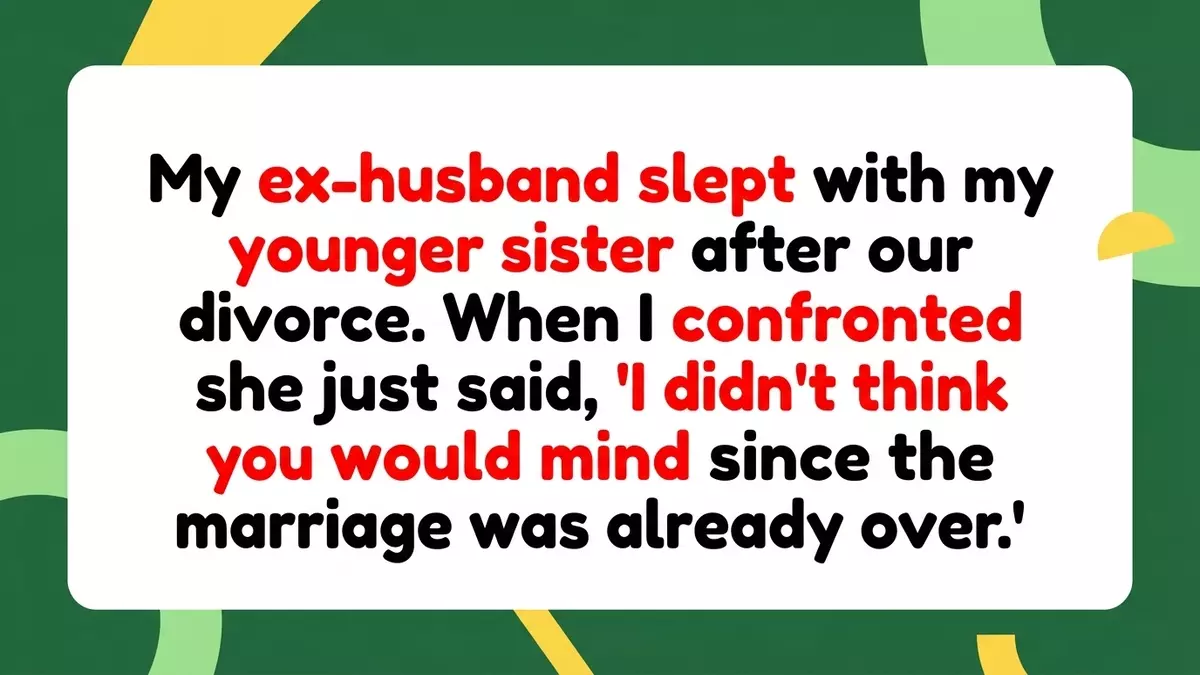
Why do family members often blame the person who cuts ties rather than the betrayers?
This reaction is usually driven by a collective desire to avoid awkward social discomfort and systemic change. It is often easier for a family system to pressure the victim into accepting a toxic situation to maintain a superficial illusion of unity than it is to hold the actual wrongdoers accountable for their destructive choices.
Can a sibling relationship ever truly recover after a betrayal of this magnitude?
While recovery is theoretically possible, it requires an immense amount of time, a complete cessation of the offending relationship, a genuine acknowledgment of the harm caused, and professional family therapy. In many cases, maintaining a permanent, civil distance is the healthiest option for the victim's long-term mental health.